Our Games Room
text
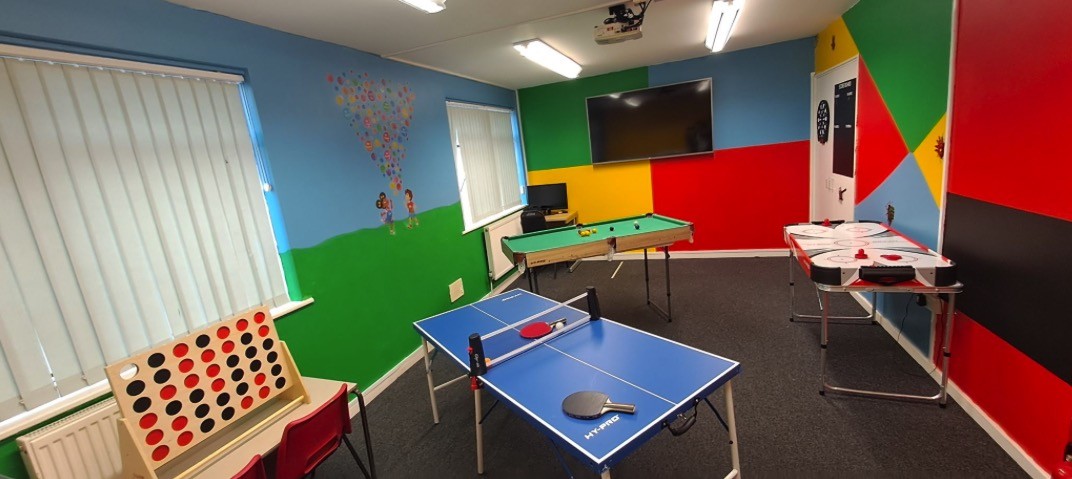
Our games room was opened in 2026 and is well designed to support social development by providing a variety of opportunities for students to interact, communicate, cooperate, and build relationships in an informal environment.
1. Encourages positive peer interaction
-
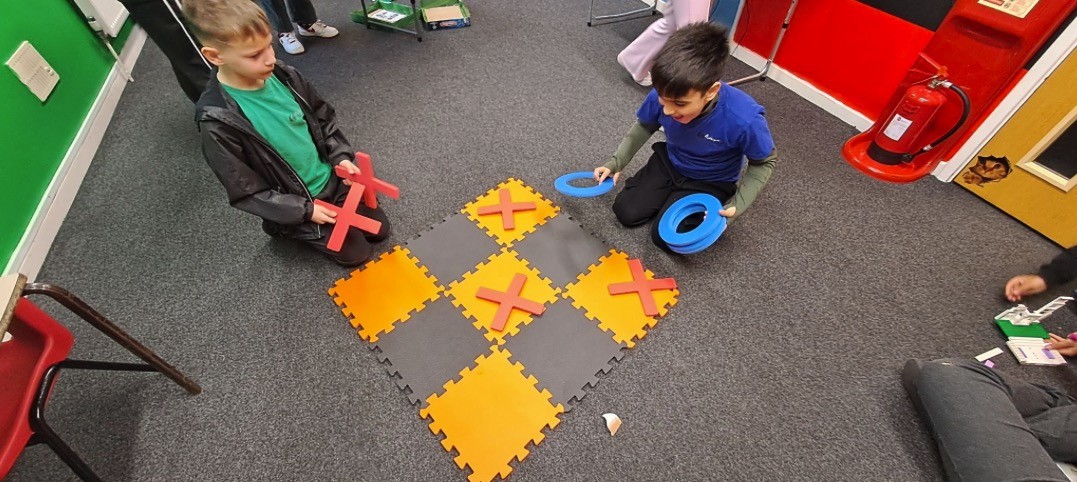
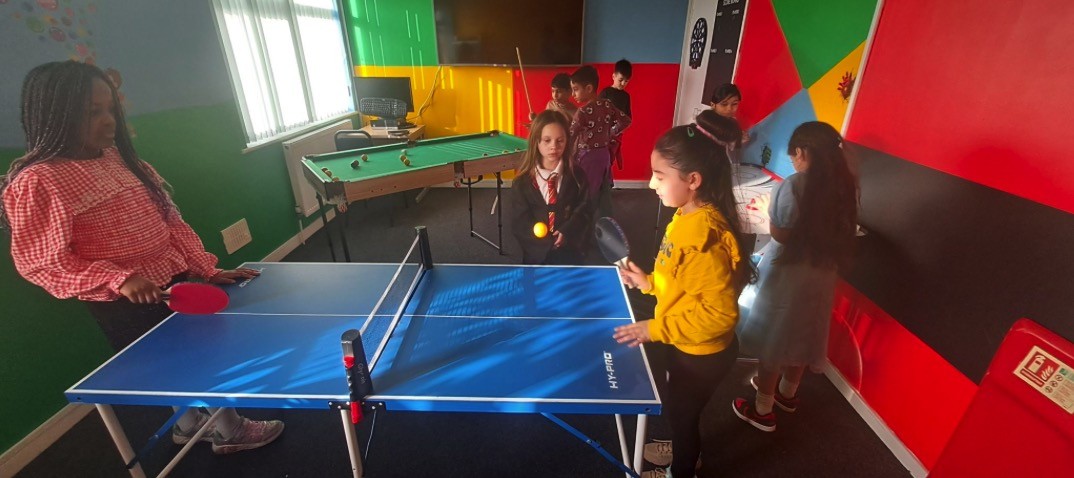
Games such as table tennis, air hockey, pool, and Connect Four naturally bring students together.
-
Students can engage in conversation while playing, helping to develop friendships and a sense of belonging.
-
Shared activities create opportunities for students from different classes or age groups to interact.
2. Develops communication skills
-
Team games and turn-taking activities require students to communicate clearly with one another.
-
Students practise listening, negotiating rules, discussing strategies, and giving constructive feedback.
-
Informal social situations can help quieter students build confidence in speaking with peers.
3. Promotes cooperation and teamwork
-
Many of the activities can be played in pairs or teams, encouraging collaboration.
-
Students learn to work towards common goals, support one another, and share success.
-
Cooperative play helps develop empathy and understanding of others' perspectives.
4. Builds social and emotional skills
-
Games provide opportunities to practise winning and losing appropriately.
-
Students learn resilience, self-control, patience, and respect for others.
-
The environment allows children to manage emotions in a safe and supportive setting.
5. Supports inclusion
-
The range of activities offers different ways for students to engage, catering to varied interests and abilities.
-
Students who may struggle in more formal classroom settings can develop social connections through play-based interactions.
-
The bright, welcoming design helps create an inviting atmosphere where students feel comfortable participating.
6. Provides a safe recreational space
-
The room offers a structured yet relaxed environment for socialising during breaks, lunchtime, or intervention sessions.
-
Staff can use the space to facilitate social skills groups, mentoring programmes, or restorative conversations.
-
Positive recreational experiences can reduce social isolation and improve overall wellbeing.